CloudCat.
Munch and Redon: Two Ways of Seeing Inward
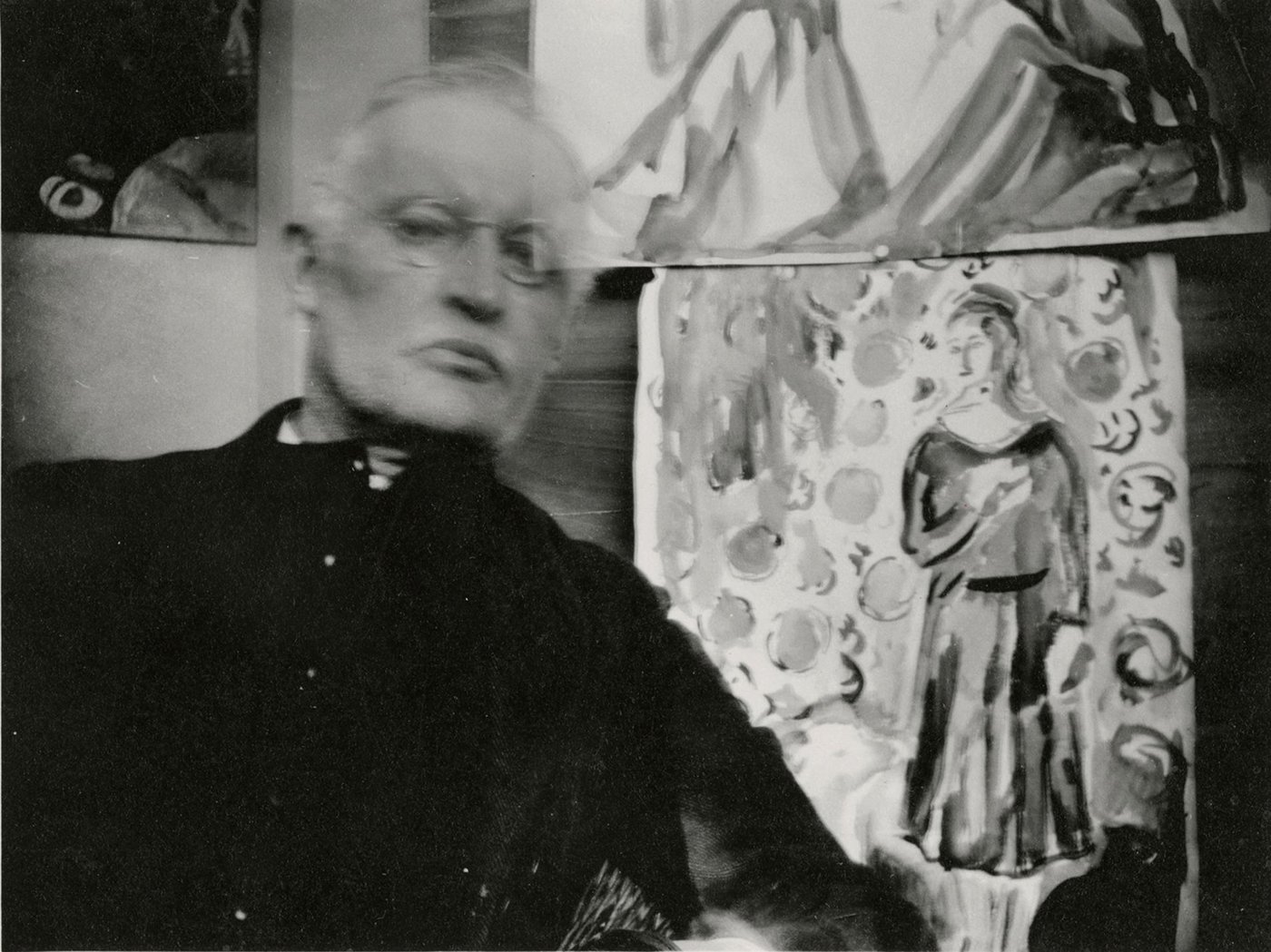
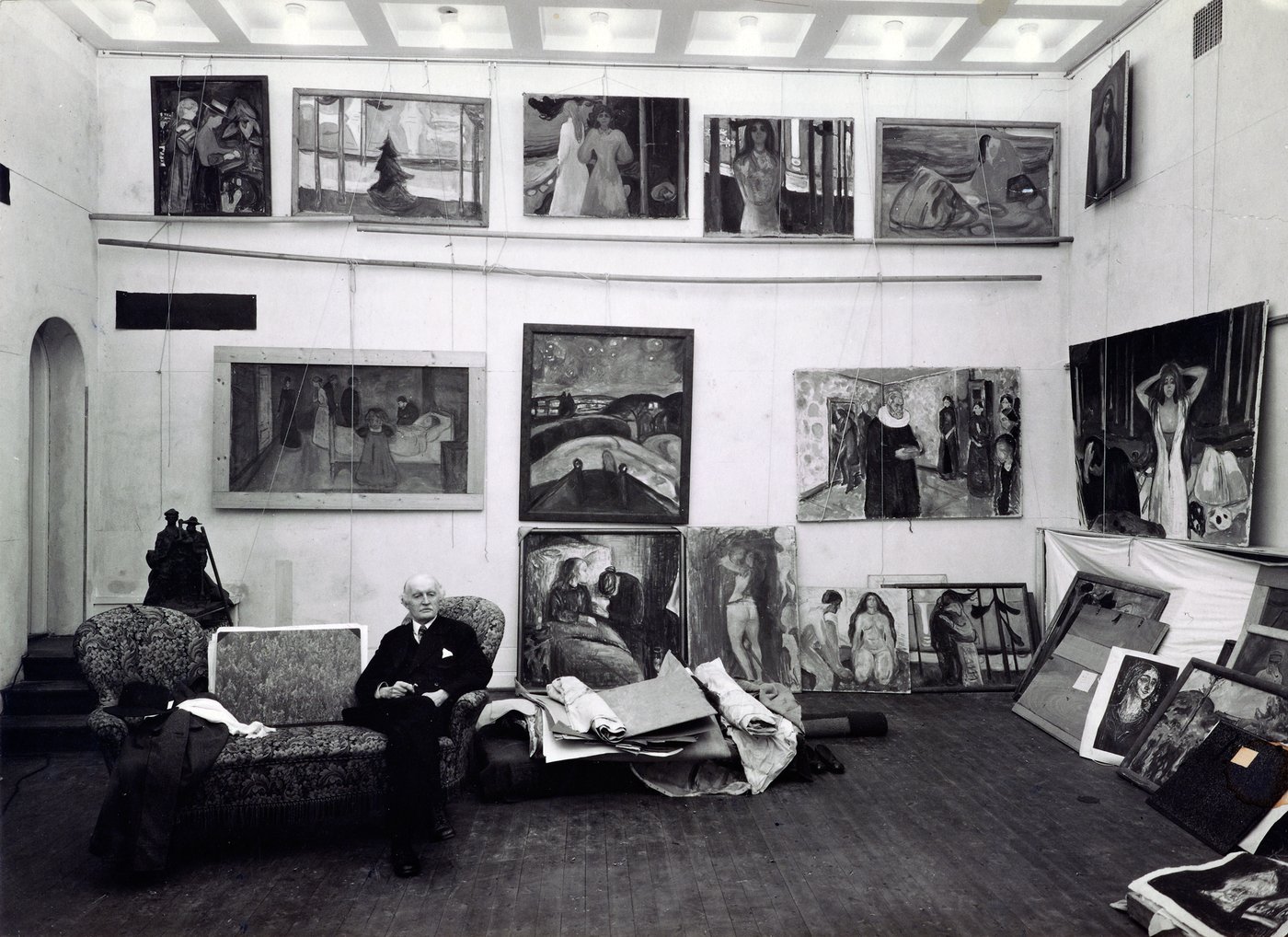
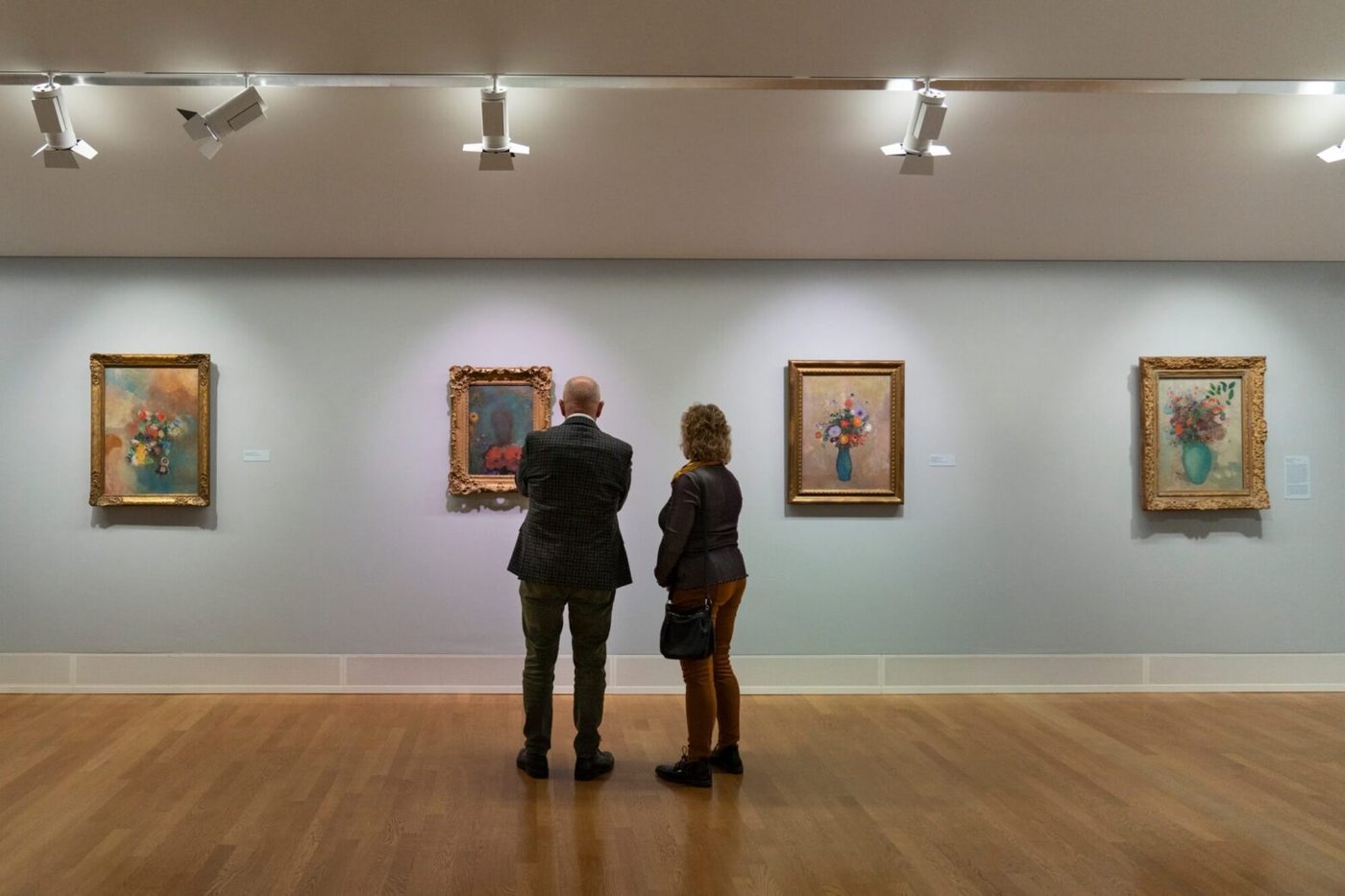
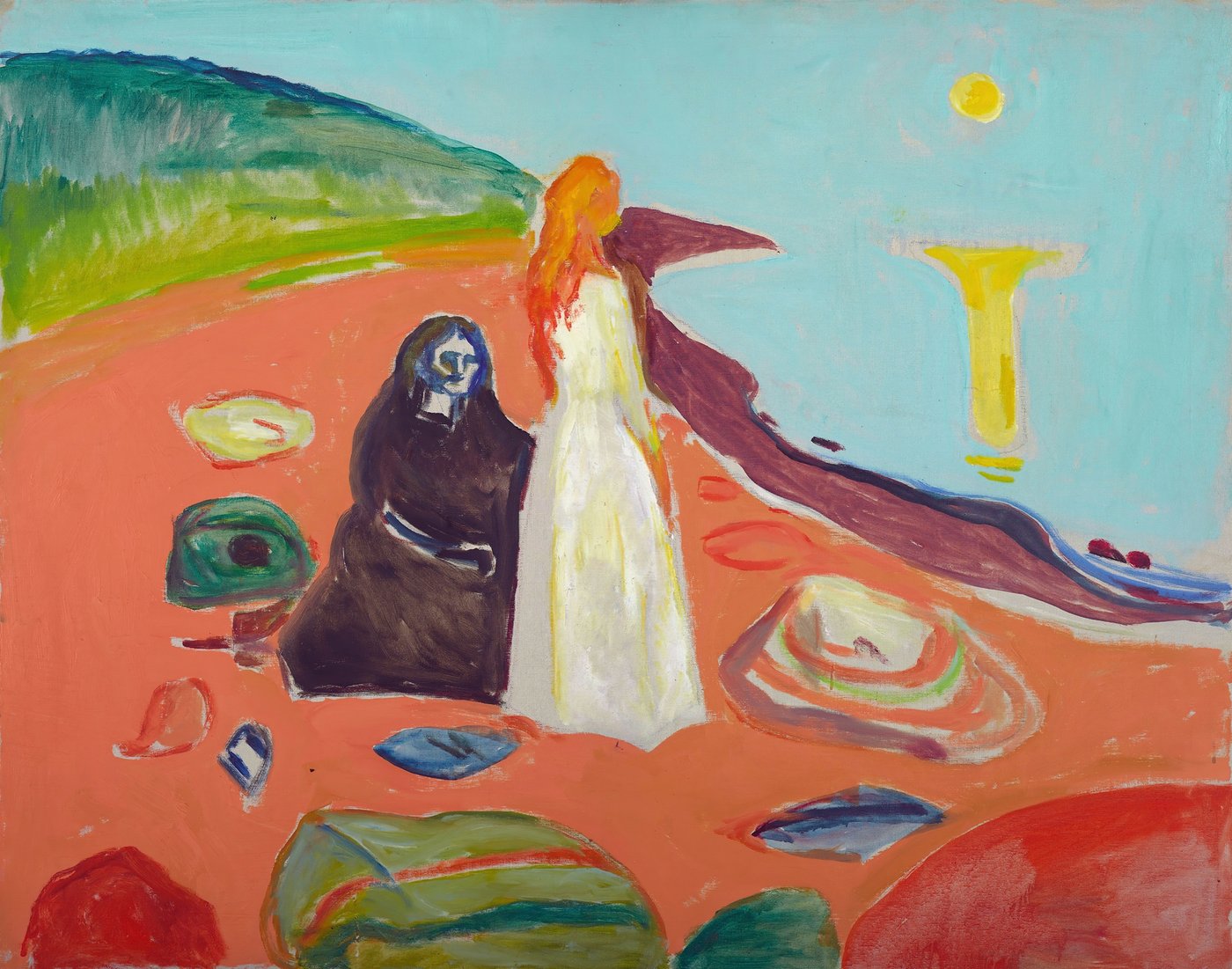
Edvard Munch and Odilon Redon were near-contemporaries who never, as far as we know, met. They worked at opposite ends of Europe — Munch in Norway and Berlin, Redon in Bordeaux and Paris — and they arrived at a similar problem from opposite directions.
Both decided, sometime in the 1880s, that painting the visible world was not enough. What interested them was the interior: dread, dream, memory, the moment before sleep, the feeling that has no name. But where Munch painted that interior as a wound — raw, exposed, the nerves on the outside of the body — Redon painted it as a garden. His monsters are gentle. His severed heads float in flower beds. His cyclops looks at the sleeping woman with something close to love.
Munch shouts. Redon whispers. Munch's colours bruise; Redon's glow.
What they share is the conviction that the most important things happening to a human being are not happening on the surface. A century before we had a vocabulary for trauma, for the unconscious, for the way grief restructures perception — these two were already painting it.
The works in this collection are now in the public domain, which means they belong to all of us. That feels appropriate. Munch and Redon were painting things that were always already ours.